The lifespan of a hydrogen fuel cell SUV typically ranges from 150,000 to 200,000 miles or 10 to 15 years, depending on usage and maintenance. With proper care and advancements in technology, these vehicles are becoming more durable and reliable for long-term use.
Key Takeaways
- Typical lifespan: Most hydrogen fuel cell SUVs last between 150,000 and 200,000 miles, or about 10 to 15 years under normal driving conditions.
- Fuel cell durability: The core fuel cell stack can degrade over time, but modern designs now last longer due to improved materials and engineering.
- Maintenance matters: Regular servicing, clean hydrogen fuel, and avoiding extreme temperatures help extend the vehicle’s life.
- Warranty coverage: Many manufacturers offer 8- to 10-year warranties on fuel cell components, reflecting confidence in longevity.
- Environmental impact: Longer-lasting fuel cell SUVs reduce waste and support sustainable transportation goals.
- Future improvements: Ongoing research aims to push lifespans beyond 250,000 miles, making hydrogen vehicles even more viable.
- Real-world examples: Models like the Toyota Mirai and Hyundai NEXO demonstrate strong performance and reliability over time.
📑 Table of Contents
- What’s the Lifespan of a Hydrogen Fuel Cell SUV?
- Understanding Hydrogen Fuel Cell Technology
- Typical Lifespan of a Hydrogen Fuel Cell SUV
- How Hydrogen Fuel Cell SUVs Compare to Other Vehicles
- Factors That Affect the Lifespan of a Hydrogen Fuel Cell SUV
- Tips to Extend the Lifespan of Your Hydrogen Fuel Cell SUV
- The Future of Hydrogen Fuel Cell SUV Lifespan
- Conclusion
What’s the Lifespan of a Hydrogen Fuel Cell SUV?
Imagine driving a vehicle that runs on clean energy, emits only water vapor, and can go hundreds of miles on a single fill-up. That’s the promise of hydrogen fuel cell SUVs. But as exciting as this technology is, one of the biggest questions potential buyers ask is: How long will it actually last?
The lifespan of a hydrogen fuel cell SUV isn’t just about how many miles it can go before the engine quits. It’s about the durability of the fuel cell stack, the reliability of the electric motor, the health of the battery, and how well the vehicle holds up under real-world conditions. Unlike traditional gasoline engines, which have been refined over more than a century, hydrogen fuel cell technology is still evolving. Yet, early signs are promising.
In this article, we’ll dive deep into what determines the lifespan of a hydrogen fuel cell SUV, how it compares to electric and gas-powered vehicles, and what you can do to maximize its longevity. Whether you’re considering a Toyota Mirai, Hyundai NEXO, or another model, understanding these factors will help you make a smart, informed decision.
Understanding Hydrogen Fuel Cell Technology
Visual guide about What’s the Lifespan of a Hydrogen Fuel Cell Suv?
Image source: images.hgmsites.net
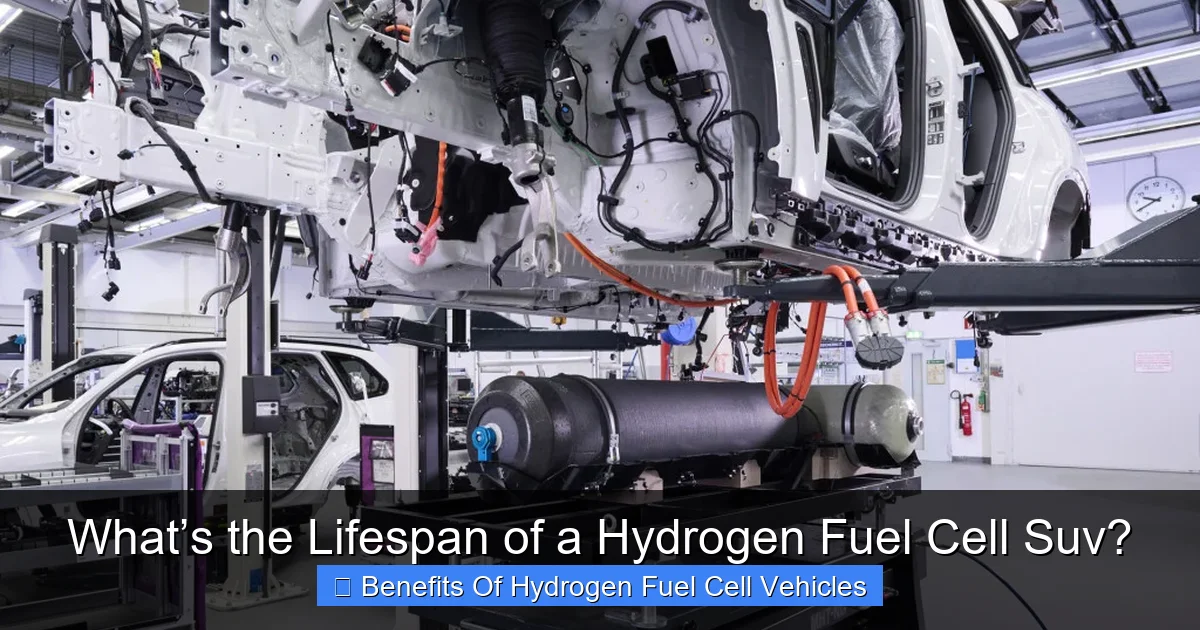
Before we talk about lifespan, it helps to understand how hydrogen fuel cell SUVs actually work. At the heart of these vehicles is the fuel cell stack—a series of individual fuel cells that combine hydrogen gas with oxygen from the air to produce electricity. This electricity powers the electric motor, which drives the wheels. The only byproduct? Pure water.
Unlike battery-electric vehicles (BEVs), which store energy in large lithium-ion batteries, hydrogen fuel cell vehicles (FCEVs) generate their own electricity on demand. This means they can refuel in just 3 to 5 minutes—similar to a gasoline car—and offer a longer range, often exceeding 300 miles per tank. That’s a major advantage for long-distance travelers and those who don’t want to wait hours for a charge.
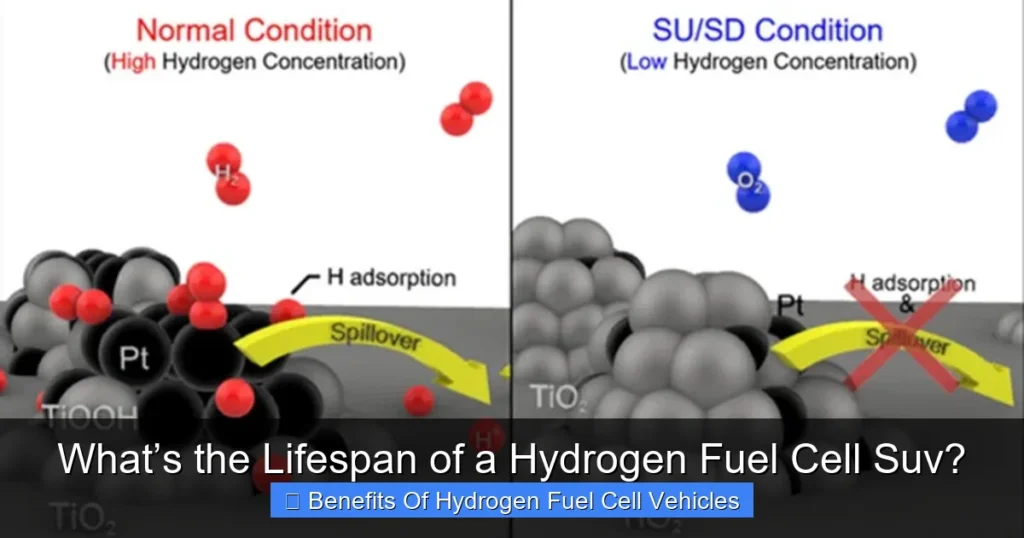
But the real magic—and the potential weak point—is the fuel cell stack. It’s made up of layers of electrodes and membranes that must remain clean, hydrated, and free from contaminants. Over time, these components can degrade due to chemical reactions, temperature fluctuations, and impurities in the hydrogen supply.
How the Fuel Cell Stack Works
Each fuel cell in the stack has an anode, a cathode, and an electrolyte membrane. Hydrogen gas enters the anode, where it’s split into protons and electrons. The protons pass through the membrane to the cathode, while the electrons travel through an external circuit, creating an electric current. At the cathode, the protons, electrons, and oxygen from the air combine to form water.
This process is highly efficient and produces zero emissions. But it’s also sensitive. If the membrane dries out, it can crack. If contaminants like sulfur or ammonia get into the hydrogen, they can poison the catalyst (usually platinum), reducing efficiency. That’s why the quality of hydrogen fuel and the design of the fuel cell are so critical.
Why Lifespan Matters
For consumers, lifespan is a key factor in the total cost of ownership. A vehicle that lasts longer requires fewer repairs, holds its value better, and reduces environmental impact by minimizing waste. For fleet operators, like taxi or delivery services, a longer lifespan means lower operating costs and higher reliability.
In the case of hydrogen fuel cell SUVs, lifespan is especially important because the technology is still relatively new and expensive. Replacing a fuel cell stack can cost thousands of dollars, so maximizing its life is essential. Fortunately, manufacturers are designing these systems to be more robust than ever.
Typical Lifespan of a Hydrogen Fuel Cell SUV
So, how long can you expect a hydrogen fuel cell SUV to last? The short answer: most are designed to last between 150,000 and 200,000 miles, or about 10 to 15 years of typical use. That’s comparable to many modern gasoline and hybrid vehicles.
But let’s break that down. The lifespan isn’t just about mileage—it’s also about time, usage patterns, and maintenance. A vehicle driven mostly on highways in mild climates may last longer than one used for frequent short trips in extreme heat or cold. Similarly, a well-maintained SUV with clean fuel and regular check-ups will outlast one that’s neglected.
Manufacturer Estimates and Warranties
Automakers are confident in the durability of their fuel cell systems. For example, Toyota offers an 8-year/100,000-mile warranty on the fuel cell stack in the Mirai. Hyundai provides a similar 10-year/100,000-mile warranty on the NEXO’s fuel cell system. These warranties aren’t just marketing—they reflect real engineering improvements.
In fact, Toyota has tested Mirai prototypes to over 150,000 miles with minimal degradation. Some fleet vehicles in Japan and California have surpassed 200,000 miles with only minor performance drops. That’s a strong indicator that these vehicles are built to last.
Real-World Performance
Real-world data is still limited, but early adopters and fleet operators report positive experiences. In California, where hydrogen refueling stations are more common, taxi companies using the Mirai have logged hundreds of thousands of miles with few major issues. One operator reported a Mirai with over 180,000 miles and only routine maintenance.
Similarly, Hyundai’s NEXO has shown strong reliability in government and commercial fleets. The vehicle’s advanced thermal management system helps protect the fuel cell from temperature extremes, which is a major factor in longevity.
Factors That Influence Lifespan
Several factors can affect how long your hydrogen fuel cell SUV lasts:
- Driving habits: Frequent short trips can cause the fuel cell to cycle on and off more often, which may accelerate wear.
- Climate: Extreme heat can dry out the membrane, while extreme cold can slow chemical reactions and reduce efficiency.
- Hydrogen quality: Impurities in the fuel can damage the catalyst and reduce performance over time.
- Maintenance: Regular inspections, software updates, and system checks help catch issues early.
- Charging and idling: Unlike BEVs, FCEVs don’t need to be plugged in, but idling for long periods can still cause minor wear.
How Hydrogen Fuel Cell SUVs Compare to Other Vehicles
When evaluating lifespan, it’s helpful to compare hydrogen fuel cell SUVs to other types of vehicles. How do they stack up against gasoline, hybrid, and battery-electric SUVs?
Gasoline and Diesel SUVs
Traditional internal combustion engine (ICE) vehicles typically last between 150,000 and 200,000 miles with proper maintenance. High-mileage drivers often push them beyond 250,000 miles, especially with regular oil changes and tune-ups. However, ICE vehicles require more frequent maintenance—oil changes, spark plugs, exhaust systems, and more—which adds to long-term costs.
Hydrogen fuel cell SUVs have fewer moving parts, which means less mechanical wear. There’s no engine oil to change, no transmission to service, and no exhaust system to corrode. This simplicity can lead to lower maintenance costs and potentially longer lifespans, especially as fuel cell technology improves.
Hybrid SUVs
Hybrid vehicles, like the Toyota RAV4 Hybrid or Ford Escape Hybrid, combine a gasoline engine with an electric motor and battery. They tend to last 200,000 to 300,000 miles, thanks in part to regenerative braking and reduced engine strain.
Hydrogen fuel cell SUVs don’t have a gasoline engine, so they avoid some of the wear and tear associated with combustion. However, they still rely on an electric motor and a small battery (used for acceleration and energy recovery), which can degrade over time. Still, the overall system is simpler than a hybrid, potentially leading to longer life if the fuel cell holds up.
Battery-Electric SUVs (BEVs)
Battery-electric SUVs, like the Tesla Model Y or Ford Mustang Mach-E, are known for their longevity. Many are expected to last 200,000 to 300,000 miles, with some Tesla owners reporting over 500,000 miles on a single battery pack.
However, battery degradation is a concern. Over time, lithium-ion batteries lose capacity, reducing range. Most manufacturers offer 8-year warranties with a minimum capacity retention (e.g., 70%). After that, range may drop, and replacement costs can be high.
Hydrogen fuel cell SUVs don’t have this issue—the fuel cell generates electricity on demand, so range doesn’t degrade in the same way. But the fuel cell itself can degrade, and hydrogen storage tanks must be inspected and recertified every 10 to 15 years for safety.
Environmental and Economic Impact
From a sustainability standpoint, longer-lasting vehicles are better for the planet. Fewer replacements mean less manufacturing waste, lower resource consumption, and reduced emissions. Hydrogen fuel cell SUVs, when powered by green hydrogen (produced using renewable energy), offer a nearly zero-emission transportation solution.
Economically, a longer lifespan means better value. While hydrogen SUVs are currently more expensive to buy, their lower maintenance costs and long life can offset the initial investment over time.
Factors That Affect the Lifespan of a Hydrogen Fuel Cell SUV
Now that we know the typical lifespan, let’s explore the key factors that influence how long your hydrogen fuel cell SUV will last. Understanding these can help you make smarter decisions and extend the life of your vehicle.
1. Fuel Cell Stack Degradation
The fuel cell stack is the heart of the system, and its degradation is the primary factor in lifespan. Over time, the catalyst (usually platinum) can become less effective due to contamination, sintering (particles clumping together), or chemical wear. The membrane can also degrade from drying out or chemical attack.
Modern fuel cells use advanced materials like reinforced membranes and more durable catalysts to slow this process. Some designs also include systems to keep the membrane hydrated and clean.
2. Hydrogen Fuel Quality
Not all hydrogen is created equal. Impurities like sulfur, ammonia, or moisture can damage the fuel cell. That’s why hydrogen used in vehicles must meet strict purity standards (ISO 14687). Most hydrogen stations in the U.S. and Europe use high-purity fuel, but it’s still something to be aware of.
Using contaminated fuel—even occasionally—can accelerate degradation. Always refuel at certified stations and avoid makeshift or unregulated sources.
3. Temperature and Climate
Extreme temperatures are tough on fuel cells. In cold weather, the system must warm up before it can operate efficiently. Freezing can damage the membrane if water inside turns to ice. In hot climates, high temperatures can dry out the membrane and reduce performance.
Many hydrogen SUVs come with thermal management systems to regulate temperature. For example, the Hyundai NEXO uses a coolant system to keep the fuel cell at an optimal temperature. Parking in a garage or shaded area can also help.
4. Driving Patterns
How you drive affects lifespan. Frequent short trips can cause the fuel cell to cycle on and off repeatedly, which may increase wear. Long highway drives, where the system runs steadily, are generally easier on the components.
Avoiding rapid acceleration and hard braking can also help. While the electric motor is robust, aggressive driving puts more stress on the entire powertrain.
5. Maintenance and Servicing
Regular maintenance is essential. This includes:
- Inspecting the fuel cell system for leaks or damage
- Checking the hydrogen storage tanks (typically every 3–5 years)
- Updating software to improve efficiency and performance
- Replacing air filters and coolant as recommended
- Monitoring the battery and electric motor
Most manufacturers recommend annual inspections. Some services, like tank recertification, are required by law every 10 to 15 years.
6. Software and Updates
Like modern smartphones and computers, hydrogen fuel cell SUVs rely on software to manage performance. Over-the-air updates can improve efficiency, fix bugs, and extend lifespan by optimizing how the fuel cell operates.
For example, Toyota has released updates for the Mirai that improve cold-weather performance and reduce degradation. Staying up to date with these updates is a simple way to protect your investment.
Tips to Extend the Lifespan of Your Hydrogen Fuel Cell SUV
Want to get the most out of your hydrogen fuel cell SUV? Here are some practical tips to help it last longer and perform better.
1. Follow the Manufacturer’s Maintenance Schedule
Your owner’s manual is your best friend. It will tell you when to service the fuel cell, check the tanks, and replace filters. Skipping maintenance can lead to costly repairs down the road.
2. Use High-Quality Hydrogen Fuel
Only refuel at certified hydrogen stations. Avoid experimental or unregulated sources. If you’re unsure about a station, check its certification or ask the operator.
3. Avoid Extreme Temperatures When Possible
Park in a garage during winter to prevent freezing. In summer, use sunshades or park in the shade to keep the cabin and fuel cell cooler. Some vehicles have pre-conditioning features that can warm or cool the system before you drive.
4. Drive Smoothly
Gentle acceleration and braking reduce stress on the fuel cell and battery. Use cruise control on highways to maintain a steady speed.
5. Keep the Battery Charged
While hydrogen fuel cell SUVs don’t need to be plugged in, they do have a small lithium-ion battery for auxiliary systems. Keeping it charged (usually done automatically) ensures smooth operation.
6. Monitor Performance
Pay attention to changes in range, refueling time, or warning lights. Early detection of issues can prevent major damage. Many vehicles have diagnostic systems that alert you to problems.
7. Stay Updated
Check for software updates regularly. Manufacturers often release improvements that enhance longevity and performance.
The Future of Hydrogen Fuel Cell SUV Lifespan
The lifespan of hydrogen fuel cell SUVs is expected to improve significantly in the coming years. Researchers are working on more durable catalysts, self-healing membranes, and better thermal management systems.
For example, scientists are exploring non-platinum catalysts to reduce cost and improve longevity. Others are developing membranes that can operate at higher temperatures without drying out. These advancements could push lifespans beyond 250,000 miles.
Additionally, as hydrogen infrastructure expands, fuel quality will improve, and refueling will become more convenient. This will encourage more people to adopt hydrogen vehicles, driving further innovation.
Government and Industry Support
Governments around the world are investing in hydrogen technology. The U.S. Department of Energy has set a goal of reducing the cost of hydrogen fuel cells and extending their lifespan. Similar initiatives exist in Europe, Japan, and South Korea.
Automakers are also committing to hydrogen. Toyota plans to expand its Mirai lineup, while Hyundai aims to make hydrogen vehicles more affordable. These efforts will lead to better designs, longer lifespans, and wider adoption.
Long-Term Outlook
In the next decade, we could see hydrogen fuel cell SUVs lasting 200,000 to 300,000 miles with minimal degradation. With proper care, some may even surpass 300,000 miles—making them competitive with the longest-lasting vehicles on the road.
As the technology matures, hydrogen SUVs could become a mainstream choice for eco-conscious drivers who want the convenience of fast refueling and the durability of electric propulsion.
Conclusion
The lifespan of a hydrogen fuel cell SUV is impressive—typically 150,000 to 200,000 miles or 10 to 15 years—and poised to get even better. Thanks to advances in materials, engineering, and maintenance practices, these vehicles are becoming more reliable and durable.
While challenges remain—like hydrogen availability and fuel cell degradation—the benefits are clear. Clean emissions, fast refueling, low maintenance, and long life make hydrogen SUVs a compelling option for the future of transportation.
By following best practices—using quality fuel, maintaining the vehicle, and driving wisely—you can maximize the lifespan of your hydrogen fuel cell SUV and enjoy years of smooth, sustainable driving.
As the technology evolves, we’re likely to see even longer lifespans, lower costs, and greater accessibility. The future of hydrogen is bright, and it’s closer than you think.
Frequently Asked Questions
How long do hydrogen fuel cell SUVs typically last?
Most hydrogen fuel cell SUVs are designed to last between 150,000 and 200,000 miles, or about 10 to 15 years under normal driving conditions. With proper maintenance, some models may exceed this range.
What affects the lifespan of a hydrogen fuel cell SUV?
Key factors include fuel cell stack degradation, hydrogen fuel quality, temperature extremes, driving habits, and regular maintenance. Using clean fuel and avoiding harsh conditions can help extend life.
Can a hydrogen fuel cell SUV last longer than a gasoline SUV?
Yes, potentially. With fewer moving parts and no combustion engine, hydrogen SUVs may have lower mechanical wear. However, fuel cell degradation is a limiting factor that’s still being improved.
How often do hydrogen fuel cell components need servicing?
Manufacturers recommend annual inspections. Hydrogen tanks must be recertified every 10 to 15 years, and software updates should be applied as they become available.
Is it expensive to replace a fuel cell stack?
Currently, replacing a fuel cell stack can cost several thousand dollars. However, warranties often cover it for 8–10 years, and future advancements may reduce costs.
Will hydrogen fuel cell SUVs last longer in the future?
Yes. Ongoing research into better materials, catalysts, and thermal management systems aims to extend lifespans beyond 250,000 miles, making them even more durable and cost-effective.