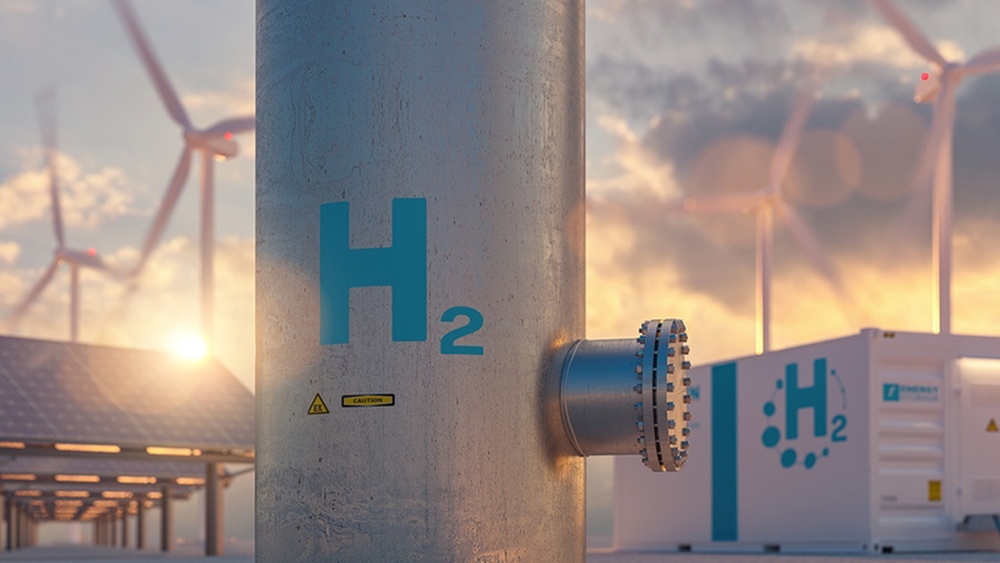
Hydrogen-powered SUVs offer zero-emission driving with quick refueling, but infrastructure and cost remain hurdles. By 2030, they could gain traction in specific markets, though widespread adoption depends on policy, innovation, and consumer trust.
Imagine pulling up to a fuel station, filling your SUV with hydrogen in under five minutes, and driving 400 miles on a single tank—all while emitting nothing but water vapor. Sounds like science fiction, right? But this could be the reality for hydrogen-powered SUVs by 2030. As the world races to cut carbon emissions and transition away from fossil fuels, hydrogen is emerging as a serious contender in the clean transportation race. While electric vehicles (EVs) have dominated headlines, hydrogen fuel cell vehicles (FCEVs) offer a different path to zero-emission driving—one that could be especially well-suited for larger vehicles like SUVs.
Hydrogen-powered SUVs use fuel cells to convert hydrogen gas into electricity, which then powers an electric motor. The only byproduct? Water. This makes them a compelling option for drivers who want the environmental benefits of an EV but need the range, power, and quick refueling of a traditional gasoline vehicle. With automakers like Toyota, Hyundai, and BMW investing heavily in hydrogen technology, and governments launching ambitious clean energy plans, the stage is set for a potential hydrogen revolution. But will it actually happen by 2030? That’s the million-dollar question.
Key Takeaways
- Hydrogen fuel cell technology is advancing rapidly: Major automakers are investing in fuel cell SUVs, with improved efficiency and longer ranges.
- Refueling is fast—like gasoline: Unlike battery EVs, hydrogen SUVs can be refueled in under 10 minutes, making them ideal for long trips.
- Infrastructure is the biggest barrier: There are fewer than 200 hydrogen stations in the U.S., mostly in California, limiting practical use.
- Production of green hydrogen is still limited: Most hydrogen today is made from natural gas, not renewable energy, reducing environmental benefits.
- Government support is growing: The U.S. and EU have launched hydrogen strategies, offering funding and incentives to boost adoption.
- Hydrogen SUVs may dominate niche markets first: Fleet vehicles, commercial transport, and regions with strong policy support will likely lead adoption.
- Cost remains high: Fuel cell systems and hydrogen fuel are expensive, though prices are expected to fall with scale and innovation.
📑 Table of Contents
How Hydrogen-Powered SUVs Work
At first glance, hydrogen-powered SUVs might seem similar to battery electric vehicles (BEVs), but under the hood—or rather, under the chassis—they’re quite different. Instead of storing electricity in a large battery, hydrogen SUVs generate power on demand using a fuel cell stack.
The Fuel Cell: The Heart of the System
The core of a hydrogen-powered SUV is the fuel cell. It’s a device that combines hydrogen from the onboard tank with oxygen from the air to produce electricity. This process, called electrochemical reaction, happens without combustion—so there’s no smoke, no noise, and no harmful emissions. The electricity generated powers the SUV’s electric motor, just like in a battery EV.
One of the biggest advantages of this system is efficiency over long distances. While battery EVs lose range in cold weather or at high speeds, hydrogen SUVs maintain consistent performance. Plus, they can carry more hydrogen in compact, high-pressure tanks, allowing for longer ranges—often 300 to 400 miles or more on a single fill-up.
Refueling: Fast and Familiar
One of the biggest selling points for hydrogen SUVs is refueling time. Charging a large EV battery can take 30 minutes to several hours, depending on the charger. In contrast, filling up a hydrogen tank takes just 3 to 10 minutes—about the same as pumping gas. This makes hydrogen SUVs especially appealing for road trips, commercial fleets, or anyone who values convenience.
For example, the Toyota Mirai, one of the few hydrogen-powered sedans on the market, can be refueled in under five minutes at a hydrogen station. Hyundai’s NEXO SUV offers similar performance, with a range of over 380 miles. These numbers are competitive with many gasoline SUVs, making hydrogen a practical alternative for drivers who don’t want to worry about charging times.
Storage and Safety
Storing hydrogen safely is a key engineering challenge. Hydrogen is the lightest element and highly flammable, so it must be stored in strong, lightweight tanks—usually made of carbon fiber. These tanks are designed to withstand crashes and extreme conditions, and they’re rigorously tested to meet safety standards.
Modern hydrogen SUVs also include multiple safety features, such as leak detectors, automatic shut-off valves, and ventilation systems. In the rare event of a leak, hydrogen disperses quickly into the air—unlike gasoline, which pools and creates fire hazards. This makes hydrogen, in many ways, safer than traditional fuels.
The Environmental Promise of Hydrogen SUVs
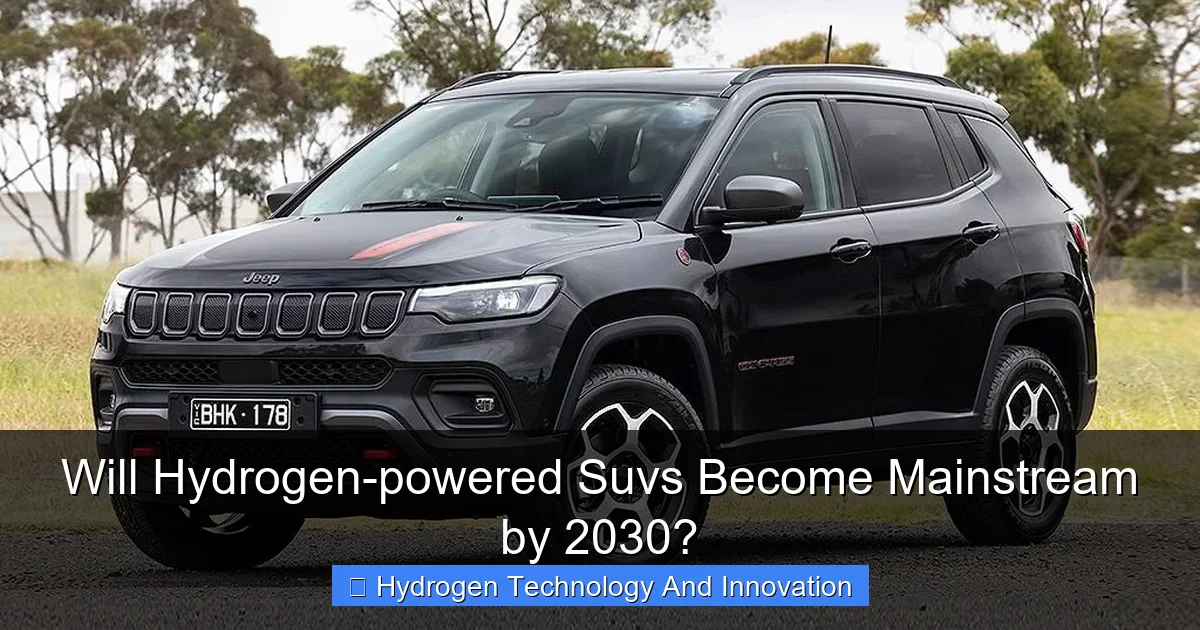
Visual guide about Will Hydrogen-powered Suvs Become Mainstream by 2030?
Image source: editorial.pxcrush.net
When it comes to environmental impact, hydrogen-powered SUVs have a strong case—but only if the hydrogen is produced cleanly.
Zero Tailpipe Emissions
The most obvious benefit is that hydrogen SUVs produce zero tailpipe emissions. Unlike gasoline or diesel vehicles, they don’t release carbon dioxide (CO₂), nitrogen oxides (NOx), or particulate matter. This makes them ideal for reducing urban air pollution and meeting climate goals.
For cities struggling with smog and poor air quality, hydrogen SUVs could be a game-changer. Imagine fleets of delivery vans, taxis, and public buses running on hydrogen—quietly moving people and goods without polluting the air.
The Catch: How Is the Hydrogen Made?
Here’s the catch: not all hydrogen is created equal. Currently, about 95% of hydrogen is produced from natural gas through a process called steam methane reforming (SMR). This method releases CO₂, undermining the environmental benefits of hydrogen vehicles.
However, “green hydrogen”—produced using renewable energy like wind or solar to split water into hydrogen and oxygen—is the real goal. This process, called electrolysis, emits no greenhouse gases. But it’s still expensive and accounts for less than 1% of global hydrogen production.
To make hydrogen SUVs truly sustainable, we need a massive shift toward green hydrogen. That means building more renewable energy capacity, improving electrolyzer technology, and scaling up production. Some countries, like Germany and Japan, are already investing billions in green hydrogen infrastructure.
Lifecycle Emissions: A Mixed Picture
When you consider the full lifecycle—from hydrogen production to vehicle manufacturing—hydrogen SUVs may not always beat battery EVs in terms of carbon footprint. Studies show that battery EVs charged with renewable energy have the lowest overall emissions. But in regions with clean electricity grids or where long-range, heavy-duty transport is needed, hydrogen can be more efficient.
For example, a hydrogen-powered SUV used for cross-country freight or in cold climates might have a lower total environmental impact than a battery EV with a large, resource-intensive battery.
Current Market Landscape and Key Players
While hydrogen-powered SUVs are still a niche market, several automakers are betting big on their future.
Toyota: A Pioneer in Fuel Cell Tech
Toyota has been a leader in hydrogen technology for over two decades. The Mirai sedan, launched in 2014, was one of the first mass-produced fuel cell vehicles. In 2021, Toyota introduced the second-generation Mirai, with improved range, performance, and a sleeker design.
But Toyota isn’t stopping at sedans. The company has showcased hydrogen-powered prototypes of SUVs and even pickup trucks. In 2023, Toyota partnered with Hyundai and other automakers to form the Hydrogen Council, a global initiative to accelerate hydrogen adoption.
Hyundai: Leading with the NEXO
Hyundai’s NEXO is currently the only hydrogen-powered SUV available in the U.S. market. With a range of 380 miles and advanced driver-assistance features, it’s a serious competitor to both gasoline and electric SUVs. Hyundai has also launched hydrogen-powered commercial vehicles, like the XCIENT truck, used in Switzerland and California.
The company plans to invest $7.4 billion in hydrogen technology by 2030, aiming to produce 700,000 fuel cell systems annually. Hyundai believes hydrogen will play a key role in decarbonizing transport, especially for heavy-duty and long-range applications.
BMW and Other Automakers Joining In
BMW is another major player. The German automaker has developed a hydrogen version of its popular X5 SUV, called the iX5 Hydrogen. It’s currently in limited production and being tested in Europe. BMW plans to launch a small series of hydrogen SUVs by 2025, with broader availability possible by 2030.
Other automakers, including General Motors, Honda, and even startups like Nikola, are exploring hydrogen for SUVs and trucks. While most are still in the prototype or pilot phase, the momentum is growing.
Luxury and Performance Appeal
Hydrogen SUVs also have a unique appeal in the luxury and performance segments. They offer instant torque, smooth acceleration, and quiet operation—just like EVs—but without the range anxiety. For affluent buyers who want sustainability without sacrificing convenience, hydrogen could be an attractive option.
Imagine a hydrogen-powered Range Rover or Mercedes G-Class—offering off-road capability, premium interiors, and zero emissions. These vehicles could redefine what it means to drive green in style.
Infrastructure: The Biggest Hurdle
For hydrogen-powered SUVs to go mainstream, one thing is clear: we need more hydrogen stations.
Current State of Refueling Networks
As of 2024, there are fewer than 200 hydrogen refueling stations in the United States—and over 80% are in California. That means if you live outside the Golden State, finding a place to fill up your hydrogen SUV is nearly impossible. In contrast, there are over 150,000 public EV charging stations across the country.
This lack of infrastructure is the single biggest barrier to adoption. Without a reliable network, consumers won’t buy hydrogen vehicles—even if they want to. It’s a classic chicken-and-egg problem: no stations, so no cars; no cars, so no investment in stations.
Global Efforts to Expand Infrastructure
Other countries are moving faster. Japan has over 160 hydrogen stations, and Germany plans to have 1,000 by 2030. South Korea and China are also investing heavily in hydrogen infrastructure, with government-backed initiatives to build refueling networks and support fuel cell vehicle adoption.
In the U.S., the Biden administration’s Bipartisan Infrastructure Law includes $8 billion for hydrogen hubs—regional networks that will produce, store, and distribute hydrogen. These hubs could jumpstart infrastructure in key areas, especially for commercial and industrial use.
Home Refueling: A Future Possibility?
One potential solution is home hydrogen refueling. Companies like Plug Power and HyGen are developing small-scale electrolyzers that could allow homeowners to produce hydrogen from water and solar power. While still in early stages, this technology could one day let SUV owners “fill up” at home—just like charging an EV.
However, safety, cost, and efficiency remain challenges. Home systems would need to be compact, affordable, and reliable. For now, public stations are the only practical option.
Cost and Affordability Challenges
Even if infrastructure improves, hydrogen-powered SUVs are still expensive.
High Vehicle Prices
The Hyundai NEXO starts at around $60,000—significantly more than comparable gasoline or electric SUVs. The Toyota Mirai is similarly priced. These high costs are due to the complexity of fuel cell systems, limited production scale, and expensive materials like platinum, which is used as a catalyst in fuel cells.
While prices are expected to fall as production ramps up, hydrogen SUVs won’t be competitive with mainstream EVs or gas vehicles until costs come down substantially.
Fuel Costs: Hydrogen vs. Electricity vs. Gas
Hydrogen fuel is also expensive. In California, where most hydrogen stations are located, a kilogram of hydrogen costs around $16. Since a hydrogen SUV uses about 1 kg per 60–70 miles, that’s roughly $0.23 per mile—more than gasoline ($0.15–$0.20 per mile) and far more than electricity ($0.04–$0.08 per mile for EVs).
To make hydrogen competitive, fuel prices need to drop to around $8–$10 per kg. This will require cheaper green hydrogen production, better distribution, and economies of scale.
Incentives and Subsidies
Government incentives can help bridge the gap. In the U.S., the Inflation Reduction Act offers tax credits for hydrogen production and fuel cell vehicles. California provides rebates of up to $15,000 for hydrogen car buyers. Similar programs exist in Europe and Asia.
These incentives make hydrogen SUVs more accessible today, but long-term affordability will depend on market forces and technological progress.
The Road to 2030: Will Hydrogen SUVs Go Mainstream?
So, will hydrogen-powered SUVs become mainstream by 2030? The answer is nuanced.
Mainstream Means Mass Adoption
For a technology to be “mainstream,” it needs to be widely available, affordable, and convenient for the average consumer. By that definition, hydrogen SUVs are unlikely to dominate the market by 2030. Battery EVs are already ahead in terms of infrastructure, cost, and consumer awareness.
However, “mainstream” doesn’t have to mean “majority.” Hydrogen SUVs could still play a significant role in specific segments—like luxury vehicles, commercial fleets, or regions with strong policy support.
Niche Markets Will Lead the Way
The most likely path for hydrogen SUVs is through niche adoption. Fleet operators, such as delivery companies, taxi services, and government agencies, are already testing hydrogen vehicles for their long-range and quick refueling benefits. In California, the South Coast Air Quality Management District has deployed hydrogen buses and trucks to reduce emissions.
Similarly, in countries like Japan and South Korea, hydrogen is seen as a strategic energy source. Government mandates and subsidies are driving adoption in both passenger and commercial vehicles.
Technological Breakthroughs Could Change the Game
If there’s a breakthrough in fuel cell efficiency, hydrogen storage, or green hydrogen production, the outlook could shift dramatically. For example, solid-state hydrogen storage or cheaper electrolyzers could make hydrogen far more viable.
Automakers are also working on hybrid systems—combining hydrogen fuel cells with small batteries—to improve efficiency and reduce costs. These innovations could make hydrogen SUVs more competitive with EVs.
Policy and Public Perception Matter
Public acceptance is another factor. Many consumers are still unfamiliar with hydrogen technology or worry about safety. Education and positive experiences—like test drives and media coverage—will be key to building trust.
Government policy will also play a decisive role. If countries adopt strict emissions regulations or ban internal combustion engines, hydrogen could gain an edge—especially for larger vehicles where batteries are less practical.
Conclusion: A Promising but Uncertain Future
Hydrogen-powered SUVs are not just a futuristic concept—they’re here today, with real vehicles on the road and major investments behind them. They offer a compelling mix of zero emissions, long range, and fast refueling, making them ideal for certain use cases. But for them to become mainstream by 2030, several hurdles must be overcome: infrastructure, cost, green hydrogen production, and consumer adoption.
While it’s unlikely that hydrogen SUVs will outsell battery EVs in the next decade, they could carve out a meaningful share of the market—especially in commercial, luxury, and long-haul segments. With continued innovation and supportive policies, hydrogen has the potential to be a key part of the clean transportation puzzle.
The road to 2030 will be shaped by technology, economics, and policy. One thing is certain: the future of driving won’t be one-size-fits-all. Whether you’re plugging in, pumping gas, or filling up with hydrogen, the goal is the same—cleaner, smarter, and more sustainable mobility for all.
Frequently Asked Questions
Are hydrogen-powered SUVs really zero emission?
Yes, hydrogen-powered SUVs emit only water vapor from the tailpipe. However, the environmental benefit depends on how the hydrogen is produced. If it’s made from natural gas, there are still carbon emissions involved. Only green hydrogen, produced with renewable energy, offers truly zero-emission driving.
How long does it take to refuel a hydrogen SUV?
Refueling a hydrogen SUV takes about 3 to 10 minutes—similar to filling up a gasoline vehicle. This is much faster than charging a battery electric SUV, which can take 30 minutes to several hours depending on the charger.
Where can I find hydrogen refueling stations?
As of 2024, most hydrogen stations are in California, with a few in Hawaii and the Northeast. Other countries like Japan, Germany, and South Korea have more extensive networks. Check apps like H2stations.org or PlugShare to find stations near you.
Are hydrogen SUVs safe?
Yes, hydrogen SUVs are designed with multiple safety features, including reinforced tanks, leak detectors, and automatic shut-off systems. Hydrogen disperses quickly if leaked, reducing fire risk compared to gasoline.
Why aren’t hydrogen SUVs more popular?
The main reasons are limited refueling infrastructure, high vehicle and fuel costs, and competition from battery EVs. Most consumers also aren’t familiar with hydrogen technology, which slows adoption.
Will hydrogen SUVs be cheaper in the future?
Yes, experts expect prices to drop as production scales up, technology improves, and green hydrogen becomes more affordable. Government incentives and competition could also help reduce costs by 2030.