Hydrogen-powered vehicles hold promise as a clean transportation solution, but their path to mainstream adoption by 2030 faces significant hurdles. While advancements in fuel cell technology and infrastructure are accelerating, cost, scalability, and energy efficiency remain key barriers.
Key Takeaways
- Hydrogen fuel cells produce zero emissions at the tailpipe, making them an attractive option for reducing transportation-related pollution.
- Current hydrogen production is mostly fossil-fuel-based, limiting the environmental benefits unless green hydrogen becomes dominant.
- Infrastructure for refueling is sparse, with fewer than 200 hydrogen stations in the U.S. as of 2024, hindering widespread adoption.
- Vehicle costs remain high due to expensive fuel cells and platinum catalysts, though prices are expected to fall with scale and innovation.
- Heavy-duty transport sectors like trucking and shipping are more likely to adopt hydrogen first due to range and refueling advantages.
- Government policies and investments in countries like Japan, South Korea, and Germany are accelerating hydrogen development.
- By 2030, hydrogen vehicles may gain traction in niche markets, but full mainstream adoption across passenger vehicles is unlikely.
📑 Table of Contents
- Will Hydrogen-powered Vehicles Become Mainstream by 2030?
- How Hydrogen-powered Vehicles Work
- The Case for Hydrogen: Why It Could Succeed
- The Challenges Holding Hydrogen Back
- Global Efforts and Government Support
- Will Hydrogen Vehicles Become Mainstream by 2030?
- The Road Ahead: What to Expect by 2030
- Conclusion
Will Hydrogen-powered Vehicles Become Mainstream by 2030?
Imagine pulling up to a fueling station, topping off your car in minutes, and driving 400 miles on a single tank—all while emitting nothing but water vapor. Sounds like science fiction? For hydrogen-powered vehicles, this vision is already a reality. But will it become the norm by 2030?
Hydrogen-powered vehicles, also known as fuel cell electric vehicles (FCEVs), use hydrogen gas to generate electricity through a chemical reaction in a fuel cell stack. Unlike battery electric vehicles (BEVs), which rely on large, heavy batteries that take hours to recharge, FCEVs refuel in about the same time as gasoline cars—typically 3 to 5 minutes. This speed, combined with long driving ranges, makes hydrogen an appealing alternative, especially for long-haul transportation and commercial fleets.
Yet, despite these advantages, hydrogen vehicles remain a tiny fraction of the global auto market. As of 2024, there are only around 25,000 FCEVs on the road worldwide, compared to over 40 million electric vehicles (EVs). So, what’s holding hydrogen back? And can it overcome these challenges in the next six years to become a mainstream choice?
The answer isn’t simple. While hydrogen has strong potential—particularly in sectors where batteries struggle—it faces stiff competition from rapidly advancing battery technology, high costs, and a lack of infrastructure. Whether hydrogen-powered vehicles become mainstream by 2030 depends on a mix of technological breakthroughs, policy support, and market dynamics.
How Hydrogen-powered Vehicles Work
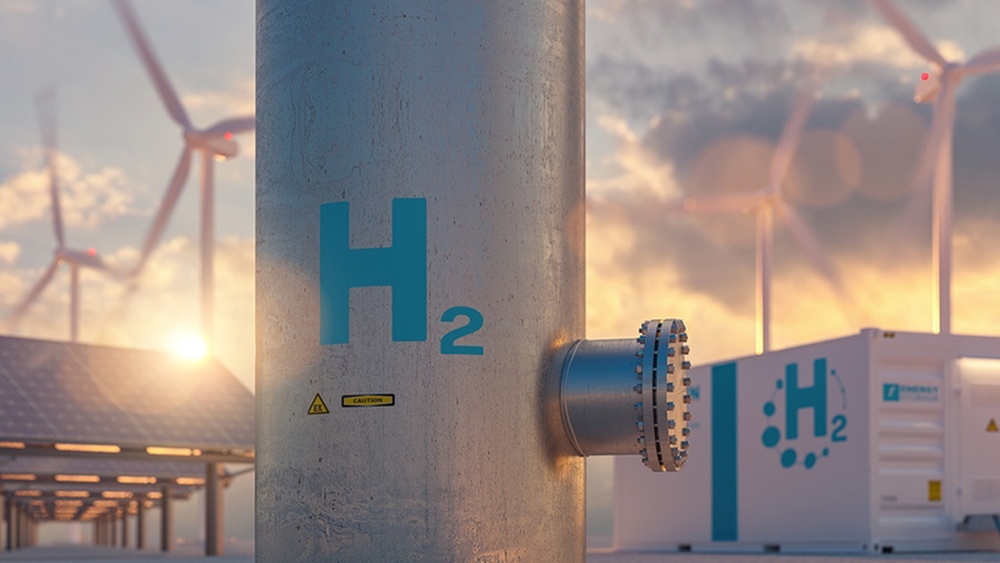
Visual guide about Will Hydrogen-powered Vehicles Become Mainstream by 2030?
Image source: images.labroots.com
To understand whether hydrogen vehicles can go mainstream, it helps to know how they actually function. Unlike internal combustion engines that burn fuel, hydrogen vehicles use a fuel cell to convert hydrogen into electricity. Here’s a simplified breakdown:
When you refuel a hydrogen car, compressed hydrogen gas is pumped into a high-pressure tank. Inside the vehicle, this hydrogen flows into the fuel cell stack, where it reacts with oxygen from the air. This electrochemical reaction produces electricity, water, and heat—no combustion, no emissions. The electricity powers an electric motor, just like in a battery EV, while the only byproduct is clean water that drips out of the tailpipe.
The fuel cell itself contains a membrane electrode assembly (MEA), where the magic happens. Hydrogen molecules split into protons and electrons. The protons pass through a special membrane, while the electrons take a detour through an external circuit, creating an electric current. When the electrons reunite with the protons and oxygen, they form water.
This process is incredibly efficient—about 60% energy conversion efficiency, compared to 20–30% for gasoline engines. Even when you account for energy losses in hydrogen production and compression, FCEVs can still be more efficient than traditional cars.
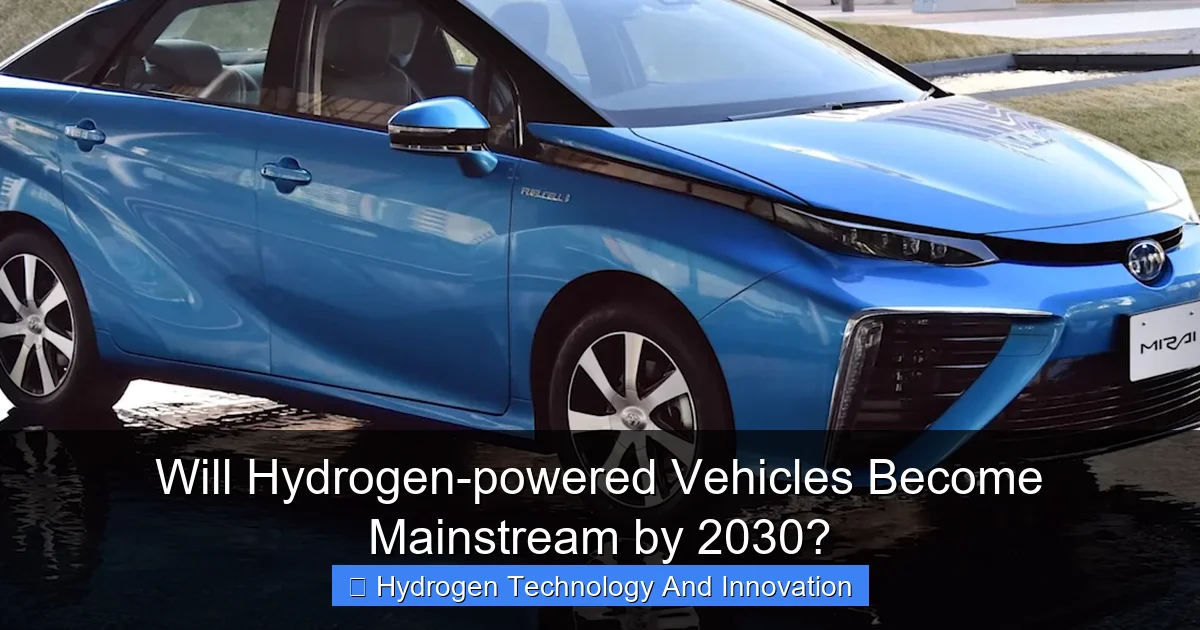
Popular models like the Toyota Mirai, Hyundai NEXO, and the upcoming Honda CR-V Hydrogen demonstrate the technology in action. These vehicles offer smooth, quiet rides, zero emissions, and ranges exceeding 300 miles per fill-up. But they’re still niche products, available in only a handful of markets.
Types of Hydrogen Vehicles
Not all hydrogen vehicles are the same. There are two main categories:
Fuel Cell Electric Vehicles (FCEVs): These are fully electric vehicles powered by hydrogen fuel cells. They store hydrogen on board and generate electricity as needed. Examples include the Toyota Mirai and Hyundai NEXO.
Hydrogen Internal Combustion Engine Vehicles (HICEVs): These use hydrogen as a fuel in a modified combustion engine. While less efficient than fuel cells, they’re easier to adapt from existing engine designs. Some truck and bus manufacturers are exploring this option.
FCEVs are the focus of most development efforts due to their higher efficiency and cleaner operation. But HICEVs may play a role in heavy machinery and aviation, where fuel cells are harder to implement.
The Case for Hydrogen: Why It Could Succeed
Despite the challenges, there are compelling reasons why hydrogen-powered vehicles could gain ground by 2030. Let’s look at the strongest arguments in their favor.
Zero Tailpipe Emissions
The most obvious benefit of hydrogen vehicles is their environmental impact—or lack thereof. When powered by green hydrogen (produced using renewable energy), FCEVs emit only water vapor. This makes them ideal for reducing urban air pollution and meeting climate goals.
In cities like Los Angeles and Tokyo, where smog and emissions are major concerns, hydrogen vehicles offer a clean alternative to diesel trucks and buses. Even if the hydrogen isn’t 100% green, it’s still cleaner than fossil fuels.
Fast Refueling and Long Range
One of the biggest drawbacks of battery EVs is charging time. Even with fast chargers, it can take 20–40 minutes to reach 80% charge. For long-distance travel or commercial use, this downtime is a dealbreaker.
Hydrogen vehicles, on the other hand, refuel in minutes—just like gasoline cars. And they offer ranges comparable to or better than many EVs. The Toyota Mirai, for example, can travel over 400 miles on a single tank. This makes hydrogen especially attractive for trucking, delivery vans, and public transit.
Ideal for Heavy-Duty Transport
Battery weight and charging time become major issues for large vehicles. A fully loaded semi-truck would need a battery weighing several tons to match the range of a diesel engine—reducing cargo capacity and increasing costs.
Hydrogen, with its high energy density, is a better fit. Companies like Nikola, Hyliion, and Toyota are developing hydrogen-powered trucks for freight and logistics. In 2023, Toyota began testing a hydrogen-powered Class 8 truck in California’s ports, aiming to reduce emissions in one of the dirtiest sectors.
Similarly, hydrogen is being explored for aviation and shipping. Airbus has announced plans for a hydrogen-powered passenger plane by 2035, while companies like ZeroAvia are testing hydrogen-electric aircraft for regional flights.
Energy Storage and Grid Support
Hydrogen isn’t just for vehicles—it can also store excess renewable energy. When solar or wind farms generate more power than the grid needs, that energy can be used to produce hydrogen via electrolysis. This hydrogen can then be stored and used later to generate electricity or power vehicles.
This makes hydrogen a key player in the clean energy transition. Countries with abundant renewables, like Australia and Saudi Arabia, are investing heavily in hydrogen export projects.
The Challenges Holding Hydrogen Back
For all its promise, hydrogen faces steep obstacles. Let’s examine the biggest hurdles to mainstream adoption.
High Production Costs and Carbon Footprint
Currently, over 95% of hydrogen is produced from natural gas through a process called steam methane reforming (SMR). This method releases carbon dioxide, making “gray hydrogen” far from clean.
“Blue hydrogen” captures and stores some of these emissions, but it’s still not zero-carbon. Only “green hydrogen,” made with renewable-powered electrolysis, is truly sustainable. But it’s expensive—currently 2–3 times the cost of gray hydrogen.
Until green hydrogen becomes cheaper and more widely available, the environmental benefits of hydrogen vehicles are limited. Experts estimate that green hydrogen needs to drop below $2 per kilogram to be competitive. As of 2024, it’s still around $4–6/kg in most regions.
Limited Refueling Infrastructure
One of the biggest barriers to adoption is the lack of hydrogen stations. As of 2024, there are fewer than 200 public hydrogen refueling stations in the U.S., mostly in California. In contrast, there are over 150,000 gas stations and more than 60,000 public EV chargers.
Building a hydrogen station costs $1–2 million—far more than a fast EV charger. And because hydrogen is highly flammable and requires high-pressure storage, safety regulations are strict.
Without a robust network, consumers won’t buy hydrogen cars. It’s a classic chicken-and-egg problem: no stations, so no cars; no cars, so no investment in stations.
High Vehicle and Fuel Costs
Hydrogen vehicles are expensive. The Toyota Mirai starts at around $50,000, and the Hyundai NEXO is similarly priced. That’s before factoring in the cost of hydrogen fuel, which can be $10–16 per kilogram—equivalent to $4–6 per gallon of gasoline.
Fuel cells rely on platinum, a rare and costly metal. While manufacturers are reducing platinum use, it remains a bottleneck. Batteries, by contrast, are getting cheaper every year thanks to economies of scale and advances in lithium-ion technology.
Energy Efficiency Concerns
Hydrogen is less efficient than batteries when you look at the full energy chain. Producing hydrogen via electrolysis, compressing it, transporting it, and converting it back to electricity in a fuel cell results in significant energy losses—around 60–70% overall efficiency.
In contrast, battery EVs use about 77–90% of the energy from the grid to power the wheels. For passenger cars, where efficiency matters most, batteries have a clear advantage.
Competition from Battery Electric Vehicles
Battery EVs are advancing rapidly. Tesla, BYD, and other manufacturers are pushing ranges beyond 400 miles, while charging networks are expanding globally. Fast chargers are getting quicker, and battery costs are falling.
For most consumers, a battery EV offers similar benefits—zero emissions, low operating costs, and home charging—without the need for a new fueling infrastructure. Unless hydrogen can offer a clear advantage, it will struggle to compete.
Global Efforts and Government Support
Despite the challenges, governments and industries are betting big on hydrogen. Several countries have launched national hydrogen strategies to accelerate development.
Japan and South Korea: Early Leaders
Japan has been a pioneer in hydrogen technology for decades. The government aims to have 800,000 FCEVs on the road by 2030 and is investing $700 million in hydrogen infrastructure. Toyota, a Japanese company, has been a major driver of FCEV development.
South Korea is equally ambitious. Hyundai has committed to selling 110,000 hydrogen vehicles annually by 2030 and is building a hydrogen ecosystem that includes production, storage, and refueling.
Europe’s Hydrogen Strategy
The European Union has identified hydrogen as a key part of its Green Deal. The EU Hydrogen Strategy aims to install 40 gigawatts of electrolyzers by 2030 and produce 10 million tons of renewable hydrogen annually.
Countries like Germany and the Netherlands are building hydrogen refueling networks and funding pilot projects. In 2023, Germany opened its first hydrogen-powered train line, showing the technology’s potential beyond cars.
U.S. and China: Catching Up
The U.S. has been slower to adopt hydrogen, but recent policy changes are shifting the tide. The Inflation Reduction Act (2022) includes tax credits for clean hydrogen production, potentially cutting costs by 50% or more.
California remains the epicenter of hydrogen vehicle deployment in the U.S., with over 50 refueling stations and incentives for FCEV buyers. The state aims to have 200 stations by 2026.
China, the world’s largest auto market, is also investing in hydrogen. While it currently favors battery EVs, the government is supporting hydrogen for trucks and buses. Companies like SAIC and Weichai are developing hydrogen-powered commercial vehicles.
Will Hydrogen Vehicles Become Mainstream by 2030?
So, will hydrogen-powered vehicles become mainstream by 2030? The short answer is: probably not for passenger cars, but possibly for specific sectors.
For everyday drivers, battery EVs are likely to dominate. They’re cheaper, more efficient, and supported by a growing charging network. Unless hydrogen infrastructure expands dramatically and costs plummet, most consumers will stick with batteries.
However, hydrogen has a strong case in heavy-duty transport. Long-haul trucking, shipping, and aviation are hard to electrify with batteries due to weight and energy density limitations. Hydrogen, especially in liquid or ammonia form, could be the answer.
By 2030, we may see hydrogen-powered trucks on major freight routes, hydrogen buses in cities, and hydrogen ferries in coastal regions. These niche applications could pave the way for broader adoption.
Moreover, if green hydrogen production scales up and costs fall, hydrogen could become a viable option for passenger vehicles in regions with strong policy support—like Japan, South Korea, and parts of Europe.
But for hydrogen to truly go mainstream, several things need to happen:
– Green hydrogen must become cost-competitive with fossil fuels.
– Refueling infrastructure must expand beyond a few urban centers.
– Vehicle prices must drop significantly.
– Public awareness and acceptance must grow.
Without these changes, hydrogen will remain a promising but limited technology.
The Road Ahead: What to Expect by 2030
Looking ahead, the next six years will be critical for hydrogen. Here’s what we can expect:
Growth in Commercial and Fleet Applications
The most likely path to adoption is through commercial fleets. Companies like Amazon, UPS, and Walmart are testing hydrogen delivery vans. Ports and logistics hubs are ideal locations for hydrogen refueling stations, serving concentrated vehicle populations.
Expansion of Hydrogen Refueling Networks
With government funding and private investment, hydrogen stations will grow—but slowly. By 2030, we might see 1,000+ stations in the U.S., mostly in California, Texas, and the Northeast. Europe and Asia will likely have more extensive networks.
Declining Costs Through Innovation
Research into alternative catalysts (replacing platinum), solid-state hydrogen storage, and more efficient electrolyzers could drive down costs. Startups like Hysata and Enapter are developing breakthrough technologies that could make green hydrogen cheaper than fossil fuels.
Integration with Renewable Energy
As solar and wind power grow, so will opportunities for green hydrogen. Countries with abundant renewables—like Australia, Chile, and Saudi Arabia—could become hydrogen exporters, supplying fuel for vehicles and industry.
Policy and Regulation Will Shape the Future
Carbon pricing, emissions standards, and subsidies will play a major role. If governments impose stricter limits on transportation emissions, hydrogen could gain an edge—especially in sectors where batteries aren’t practical.
Conclusion
Hydrogen-powered vehicles offer a clean, fast-refueling alternative to gasoline and battery electric cars. They emit only water, can travel long distances, and are especially well-suited for heavy-duty transport. But despite these advantages, their path to mainstream adoption by 2030 is uncertain.
The biggest barriers—high costs, limited infrastructure, and energy inefficiency—are significant. While battery EVs are advancing rapidly and dominating the passenger vehicle market, hydrogen may find its niche in trucks, buses, and industrial applications.
With strong government support, technological innovation, and falling green hydrogen prices, hydrogen could play a meaningful role in the clean transportation future. But for most consumers, the car of 2030 will likely be electric—powered by a battery, not a fuel cell.
That said, dismissing hydrogen would be a mistake. It’s not a question of hydrogen vs. batteries—it’s about using the right tool for the job. In the race to decarbonize transportation, hydrogen may not win the marathon, but it could still be a valuable sprinter in key segments.
As we move toward 2030, keep an eye on hydrogen. It may not be mainstream—but it’s far from finished.
Frequently Asked Questions
Are hydrogen-powered vehicles safe?
Yes, hydrogen vehicles are designed with multiple safety features, including reinforced tanks, leak detectors, and automatic shut-off valves. Hydrogen is lighter than air and disperses quickly, reducing fire risk. Real-world data shows they are as safe as conventional vehicles.
How long does it take to refuel a hydrogen car?
Refueling a hydrogen vehicle takes about 3 to 5 minutes, similar to filling a gasoline car. This is much faster than charging a battery EV, which can take 20 minutes to several hours depending on the charger.
Can hydrogen vehicles use existing gas stations?
Not directly. Hydrogen requires specialized high-pressure pumps and storage systems. Some gas stations are being retrofitted with hydrogen dispensers, but new infrastructure is generally needed.
Is hydrogen more expensive than gasoline or electricity?
Currently, yes. Hydrogen fuel costs $10–16 per kilogram, equivalent to $4–6 per gallon of gas. Electricity for EVs is much cheaper per mile. However, costs are expected to fall as production scales up.
What happens if a hydrogen car runs out of fuel?
Like any vehicle, it will stop running. However, hydrogen cars have warning systems that alert drivers when fuel is low. Towing to a refueling station is required, but roadside assistance programs are expanding.
Can I produce hydrogen at home to fuel my car?
Technically yes, using an electrolyzer powered by solar panels, but it’s not practical for most people. Home systems are expensive, inefficient, and require significant space and maintenance. Public or commercial refueling is the standard approach.