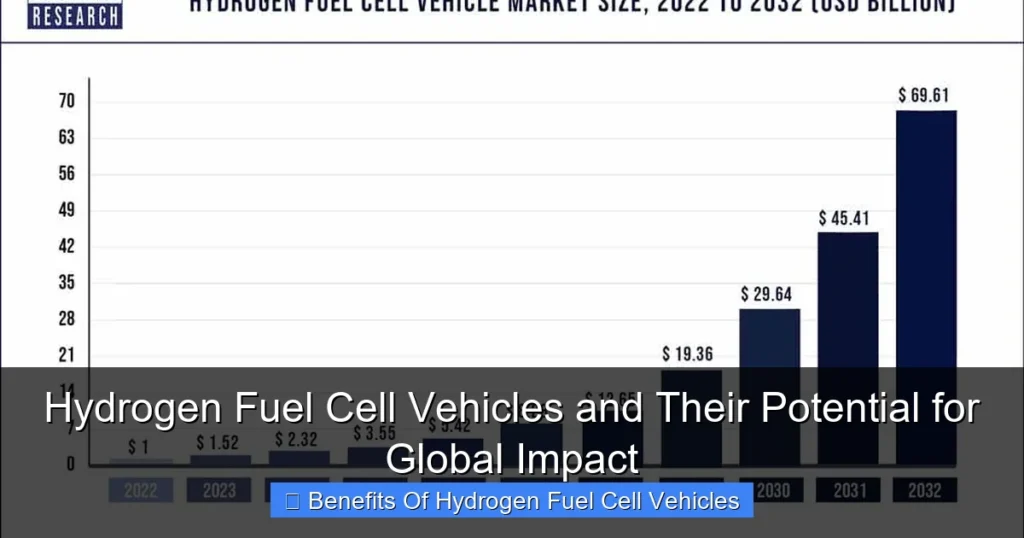
Hydrogen fuel cell vehicles (FCEVs) are emerging as a clean-energy solution to combat climate change, offering zero-emission driving, faster refueling than EVs, and compatibility with diverse industries. With advancements in infrastructure and policy support, FCEVs could play a pivotal role in achieving global decarbonization goals by 2050.
Key Takeaways
- Zero Emissions: FCEVs emit only water vapor, unlike gasoline or even electric vehicles (EVs) that rely on grid electricity.
- Faster Refueling: Hydrogen refueling takes minutes vs. hours for EVs, making it ideal for long-haul transport.
- Energy Diversification: Hydrogen can be produced from renewables, fossil fuels, or waste streams, reducing reliance on oil.
- Industrial Synergies: Industries like steelmaking and shipping can adopt hydrogen for hard-to-decarbonize sectors.
- Policy Push: Governments worldwide are investing in hydrogen hubs (e.g., EU Green Deal, U.S. Inflation Reduction Act).
- Cost Challenges: High production and infrastructure costs remain barriers but are declining rapidly.
[FEATURED_IMAGE_PLACEHOLDER]
—
### Main Content
#### Introduction: The Hydrogen Revolution
Imagine a car that never sputters, refuels in minutes, and leaves no carbon footprint. That’s the promise of hydrogen fuel cell vehicles (FCEVs). Unlike battery-electric cars (BEVs), which depend on grid electricity—often still powered by coal or gas—FCEVs use hydrogen stored in tanks to power an onboard fuel cell. This process generates electricity while emitting only water vapor.
Why is this so exciting? Because FCEVs address two critical gaps in the clean-energy transition: energy storage flexibility and industrial decarbonization. While EVs excel in urban commuting, hydrogen shines in heavy-duty transport, aviation, and sectors where batteries are impractical. With global investments exceeding $100 billion since 2020, hydrogen’s potential isn’t just theoretical—it’s unfolding now.
#### How Do Hydrogen Fuel Cell Vehicles Work?
At its core, an FCEV operates like a mini power plant inside your car. Here’s the breakdown:
- Hydrogen Storage: Compressed hydrogen gas is stored in high-pressure tanks (700 bar in modern models).
- Electrolysis: The fuel cell splits hydrogen into protons and electrons using platinum catalysts.
- Electricity Generation: Protons pass through a membrane, electrons create current, and oxygen combines with hydrogen at the cathode to form water.
- No Combustion: Unlike internal combustion engines, there’s no burning—just electrochemical reactions.
Practical Example: Toyota’s Mirai has driven over 3 million miles globally, showcasing reliability and 400-mile range per tank.
#### Environmental Benefits: Why Hydrogen Wins
FCEVs outperform BEVs in certain scenarios due to:
1. Zero Tailpipe Emissions: Even if hydrogen is made from natural gas (blue hydrogen), lifecycle emissions are 60% lower than diesel. Green hydrogen (from renewables) achieves near-zero emissions.
2. Grid Independence: EVs depend on electricity grids that may not be fully renewable yet. Hydrogen can store surplus wind/solar energy for later use.
Tip: Japan aims to have 800,000 FCEVs on roads by 2030, cutting 9 million tons of CO₂ annually.
#### Challenges and Solutions
Despite advantages, hurdles persist:
- Production Cost: Green hydrogen costs ~$5–7/kg (vs. $1–2 for gray hydrogen). Scaling electrolyzers and solar/wind farms will drive prices down.
- Infrastructure: Only ~1,000 hydrogen stations exist worldwide (compared to 140,000 EV chargers). Projects like HyVelocity in California aim to build 200+ stations by 2025.
- Energy Losses: Hydrogen production, compression, and transport lose ~30% of energy. Innovations like cryogenic liquefaction help.
Real-World Fix: South Korea plans to spend ₩2 trillion ($1.6B) on a national hydrogen supply chain by 2030.
#### Global Adoption: Who’s Leading?
Europe: The EU’s Hydrogen Strategy allocates €470 billion to green hydrogen by 2050, targeting sectors like steel and chemicals.
Asia: Japan and South Korea lead in FCEV adoption, aiming for 20-30% new vehicle sales by 2030. Hyundai’s Nexo SUV is a top seller.
Americas: The U.S. Inflation Reduction Act offers tax credits for hydrogen projects, while Canada’s Clean Fuel Standard incentivizes low-carbon fuels.
Fun Fact: Germany’s H2Global program buys renewable hydrogen abroad to ensure affordability.
#### The Future: Beyond Cars to Hard-to-Tackle Sectors
FCEVs aren’t just about passenger cars. They’re critical for:
- Heavy Transport: Volvo and Daimling plan hydrogen trucks for Europe’s freight corridors.
- Aviation: Airbus aims to test hydrogen-powered aircraft by 2035.
- Shipping: Maersk’s “Eco” vessels use ammonia (derived from hydrogen) to cut emissions.
- Power Grids: Hydrogen can replace natural gas in peak-demand periods (e.g., Texas’s 2021 blackout recovery).
Example: Australia’s Asian Renewable Energy Hub could produce 15 terawatt-hours/year of green hydrogen for export.
#### Conclusion: A Balanced Transition
Hydrogen fuel cell vehicles aren’t a silver bullet, but they’re a vital piece of the puzzle. Pairing FCEVs with EVs, biofuels, and grid upgrades ensures no single technology dominates. With falling costs, policy backing, and tech breakthroughs (like cheaper electrolyzers), hydrogen could deliver:
- Climate neutrality by 2050
- New jobs in manufacturing and infrastructure
- Energy security for nations reliant on imports
As you see hydrogen in your city or hear news about hydrogen trains, remember: it’s not just about cars—it’s about rethinking how we power everything.
—
### Quick Q&A
Question 1?
Do hydrogen cars need charging? No, they refuel at hydrogen stations similar to gas pumps, taking under 5 minutes for a full charge.
Question 2?
Is hydrogen safe? Yes! Hydrogen is lighter than air, and modern tanks meet rigorous safety standards (UN/ISO certifications).
Question 3?
Can hydrogen come from renewable sources? Absolutely. Electrolysis splits water into hydrogen using renewable electricity, producing “green” hydrogen.
Question 4?
How much does a hydrogen car cost? Prices vary; Toyota Mirai starts at ~$55,000, but economies of scale could drop costs below $30,000 by 2030.
Question 5?
Are hydrogen stations everywhere? Not yet, but growth is rapid. By 2027, the world could have 10,000+ stations (up from ~1,000 today).
### FAQs
What’s the difference between hydrogen and electric vehicles?
EVs rely on batteries charged via the grid, while FCEVs use hydrogen refueling. EVs win in short-range driving; FCEVs excel in long-distance, heavy-load applications.
How much hydrogen does an FCEV use per mile?
About 1 kg of hydrogen for 40-60 miles, depending on driving conditions and vehicle efficiency.
Can hydrogen be used for home heating?
Yes! Pilots in Sweden and Japan use hydrogen boilers, blending it with natural gas for safer, cleaner heating.
Are FCEVs better for the environment?
If hydrogen is green (renewable-sourced), yes. If made from fossil fuels without carbon capture, emissions are higher than EVs using clean grid electricity.
When will FCEVs become mainstream?
Mass adoption hinges on infrastructure scaling. Experts predict 10-15% of new vehicle sales in Europe/Japan by 2035, with global parity post-2040.
Who makes FCEVs?
Major automakers include Toyota, Hyundai, Honda, BMW, and Mercedes-Benz. Startups like Nikola and Hyzon also focus on commercial fleets.
This is a comprehensive guide about Hydrogen fuel cell vehicles and their potential for global impact.
Key Takeaways
- Understanding Hydrogen fuel cell vehicles and their potential for global impact: Provides essential knowledge
Quick Answers to Common Questions
What is Hydrogen fuel cell vehicles and their potential for global impact?
Hydrogen fuel cell vehicles and their potential for global impact refers to essential knowledge and techniques.
Frequently Asked Questions
What is Hydrogen fuel cell vehicles and their potential for global impact?
Hydrogen fuel cell vehicles and their potential for global impact is an important topic with many practical applications.