Hydrogen stations are critical for fuel cell vehicle adoption, combining cutting-edge technology with rigorous safety protocols. From site selection to maintenance best practices, these facilities ensure clean energy accessibility while meeting strict regulatory standards. Understanding their construction and upkeep helps stakeholders plan for a sustainable future.
Key Takeaways
- Site Selection Matters: Location, zoning laws, and proximity to demand centers dictate station placement.
- Multi-Stage Production: Hydrogen is often produced on-site via electrolysis or imported as compressed gas, requiring specialized storage.
- Safety First: Leak detection, ventilation, and fire suppression systems are non-negotiable in design.
- Maintenance Challenges: Regular inspections of compressors, dispensers, and pipelines prevent downtime.
- Scalability: Stations can expand capacity by adding modular components like additional storage tanks.
- Regulatory Compliance: Adhering to local and international standards (e.g., ISO 19880) ensures safe operations.
[FEATURED_IMAGE_PLACEHOLDER]
Quick Answers to Common Questions
Question 1?
How long does it take to build a hydrogen station? Typically 12–24 months, depending on permitting, equipment delivery, and site prep. Complex projects may take longer.
Question 2?
Are hydrogen stations expensive? Costs range from $1M–$5M per station, dropping as production scales up. Government incentives can offset expenses.
Question 3?
What’s the biggest challenge in maintaining a station? Preventing hydrogen leaks and ensuring component longevity at high pressures.
Question 4?
Can hydrogen stations be solar-powered? Yes! Many combine electrolyzers with renewable energy sources to produce hydrogen sustainably.
Question 5?
Do hydrogen stations need backup generators? Absolutely. Power outages can disrupt production or refueling, so UPS systems are standard.
📑 Table of Contents
Introduction: Why Hydrogen Stations Matter
Hydrogen fuel cell vehicles (FCEVs) promise zero-emission mobility, but their success hinges on reliable refueling infrastructure. Unlike gasoline stations, hydrogen stations require unique engineering due to the gas’s flammability and low density. This article breaks down the step-by-step process of building and maintaining these stations—from blueprints to day-to-day operations—while keeping it approachable for readers curious about green energy.
The global push for decarbonization has made hydrogen a star player. Countries like Germany, Japan, and California are leading the charge, with plans to install thousands of stations by 2030. But behind every shiny dispenser lies a complex puzzle of logistics, regulations, and innovation. Let’s dive in!
Phase 1: Planning & Site Selection
Choosing the Right Location
Station siting isn’t random. Key factors include:
Visual guide about How Hydrogen Stations Are Built and Maintained
Image source: hydrogenindustryleaders.com
- Demand Proximity: Near highways, urban centers, or industrial hubs with high FCEV traffic.
- Zoning Laws: Local governments may restrict hydrogen use due to safety concerns.
- Utilities & Access: Reliable power supply (for on-site production) and space for equipment.
Example: A station in Los Angeles prioritized areas near major employers (e.g., Google, Amazon offices) where FCEVs are already popular.
Permitting & Regulatory Hurdles
Building a hydrogen station involves navigating multiple layers of regulation:
- Environmental Impact Assessments (EIAs): Required for large-scale projects.
- Occupational Safety: OSHA guidelines for handling hydrogen under pressure.
- Transportation Permits: If importing hydrogen, compliance with DOT hazardous materials rules.
Tip: Partnering with experienced consultants early saves months of delays.
Phase 2: Design & Construction
Core Components
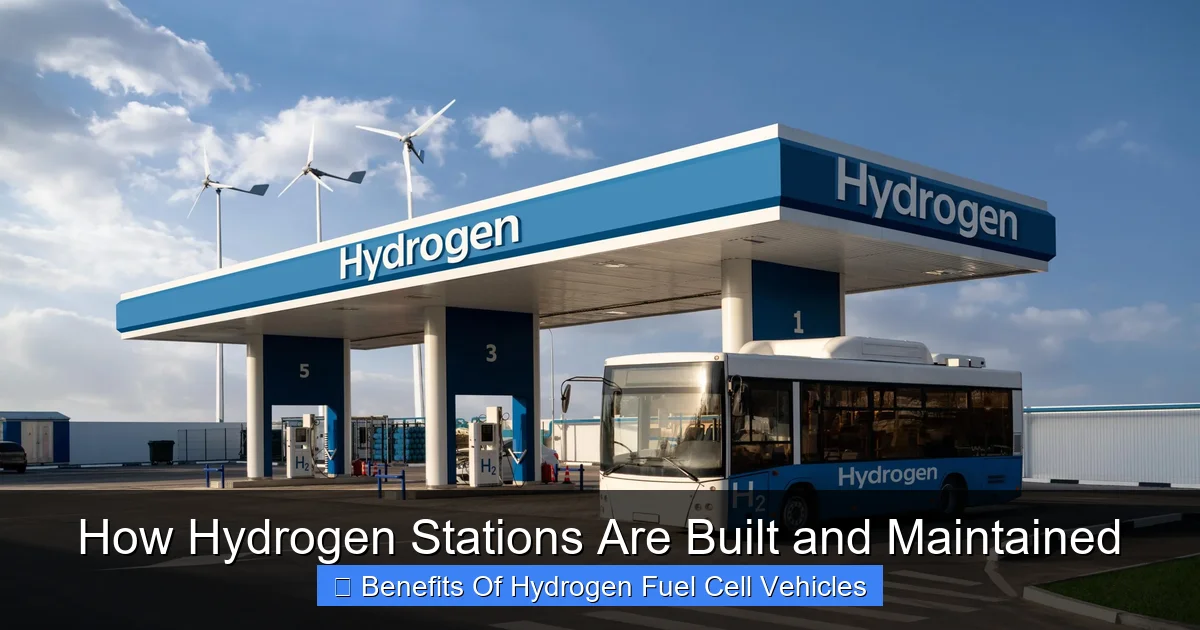
A standard hydrogen station includes:
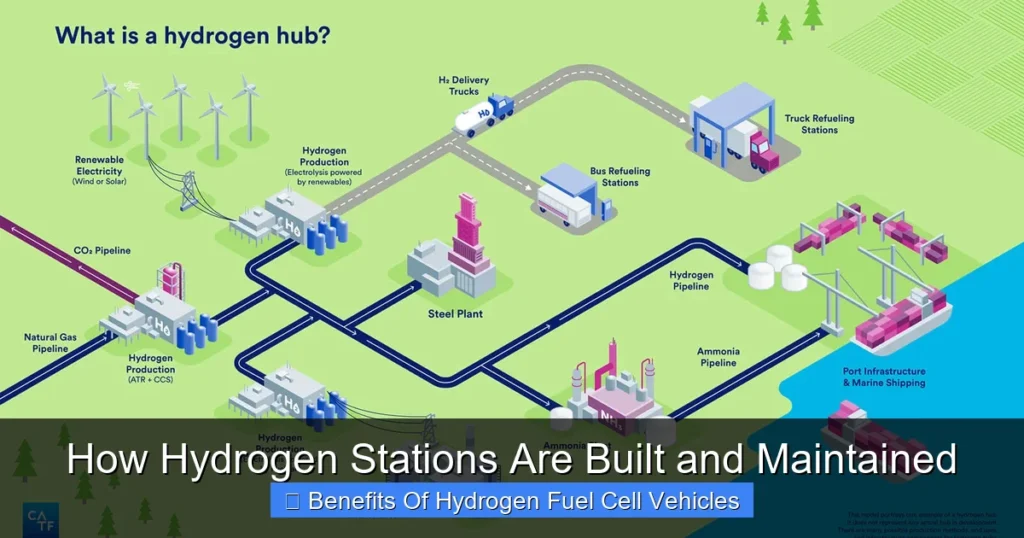
- Storage Tanks: High-pressure vessels (up to 700 bar) holding liquid or gaseous hydrogen.
- Dispensers: Custom-designed nozzles that prevent leaks during refueling.
- Production Unit: Electrolyzers splitting water into hydrogen (if on-site).
- Ventilation Systems: Critical to disperse any hydrogen leaks safely.
Material Choices
Materials must resist hydrogen embrittlement—a phenomenon where metals weaken over time. Common choices:
- Stainless Steel: Used for storage tanks and piping.
- Polymer Coatings: Protect steel from corrosion.
- Specialty Alloys: For high-pressure components.
Fun Fact: Toyota’s hydrogen stations use carbon-fiber composites to reduce weight without sacrificing strength.
Phase 3: Maintenance & Daily Operations
Preventive Maintenance Schedule
Regular checks extend station life:
- Monthly: Inspect dispensers for wear.
- Biannually: Test emergency shutdown systems.
- Annually: Audit pressure vessel integrity.
Pro Tip: IoT sensors can monitor tank levels and leaks in real-time, reducing manual checks.
Troubleshooting Common Issues
Problems like slow refueling or dispenser errors usually stem from:
- Pressure Drops: Clogged filters or failing compressors.
- Leaks: Faulty seals or damaged hoses.
- Poor Ventilation: Blocked vents causing unsafe hydrogen buildup.
Quick fixes include recalibrating sensors or replacing worn parts—always prioritize safety!
Phase 4: Scaling Up & Future Trends
Modular Expansion
New stations aren’t set in stone. Modular designs allow adding:
- Extra Storage Tanks: To meet growing demand.
- Additional Dispensers: Reducing wait times.
- Renewable Energy Integration: Solar panels powering electrolyzers.
Example: The UK’s Hy5 project aims to retrofit existing sites with hydrogen-ready equipment.
Automation & AI
Future stations will leverage AI for:
- Predictive Maintenance: Algorithms alert operators before failures occur.
- Demand Forecasting: Adjusting supply based on usage patterns.
Imagine a station that “learns” when to produce extra hydrogen during peak hours!
Conclusion: Building a Sustainable Future
Hydrogen stations are more than just refueling stops—they’re linchpins for a greener transportation ecosystem. From meticulous planning to smart maintenance, each phase demands precision, collaboration, and a commitment to safety. As costs drop and technology evolves, we’ll see even more stations pop up worldwide, making FCEVs a practical choice for everyday drivers.
If you’re involved in clean energy or simply curious, understanding how these stations work demystifies the path toward zero-emission mobility. The road ahead is bright—and hydrogen is leading the way!
Frequently Asked Questions
What are the safety risks of hydrogen stations?
Hydrogen is highly flammable but requires only a small ignition source. Proper ventilation, leak detectors, and training mitigate risks significantly.
How much hydrogen can a typical station store?
Most stations hold 100–300 kg of hydrogen, enough for 20–60 daily refuels, depending on dispenser flow rates.
Can I convert a conventional gas station to hydrogen?
Yes, but it requires major retrofits, including new storage, compressors, and dispensers tailored to hydrogen’s properties.
Are hydrogen stations eco-friendly?
Only if powered by renewables! Green hydrogen (made with solar/wind) emits no CO₂; gray hydrogen (from natural gas) has emissions.
How many hydrogen stations exist globally?
As of 2024, there are ~1,000 operational stations worldwide, with over 400 planned for the next five years.